
How to Lower the Humidity in Your Home
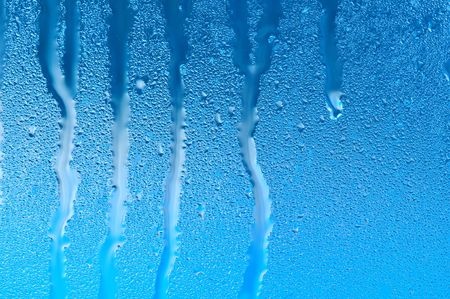
Get rid of muggy, humid air. HERE
Keeping humidity levels low in your home not only increases your comfort, but also improves air quality and reduces allergens such as mold, potential pests and dust mites. Humidity is worst in the summer months and is often not a problem in the winter (though in southern climates it can be an issue year round). Ideally, you want to achieve humidity levels of 50% or less, though 60% is also acceptable. There are several steps you can take to do this.
- Run your air conditioner. Your air conditioning system alone reduces the humidity in your home. On less hot days, this may be all you need to do. You will need to maintain a consistent temperature throughout the house for this to be most beneficial. Having air tight windows, doors and insulation helps with temperature consistency and optimal air conditioning.
- Use a dehumidifier. This is especially true if you have a basement. Moist air rises, so don’t assume that high humidity levels stay in the basement. While you can use a humidifier only in your basement, another option is a whole house dehumidifier that attaches to the ducting. You do not need to run the air conditioner to use it. If you don’t have ducting, buy a dehumidifier that plugs in. Make sure it is large enough for the space. Focus on the area with the highest moisture levels (usually the basement).
- Check your venting. Make sure items such as your clothes dryer and bathroom fans vent to the outside and not into the walls or attic. If not, have it fixed so it vents properly. Improperly vented dryers and fans are a strong mold and mildew risk.
Need help with dehumidification solutions? Chat with us online M-F from 9 a.m. to 5 p.m. CST, or e-mail us anytime at [email protected].